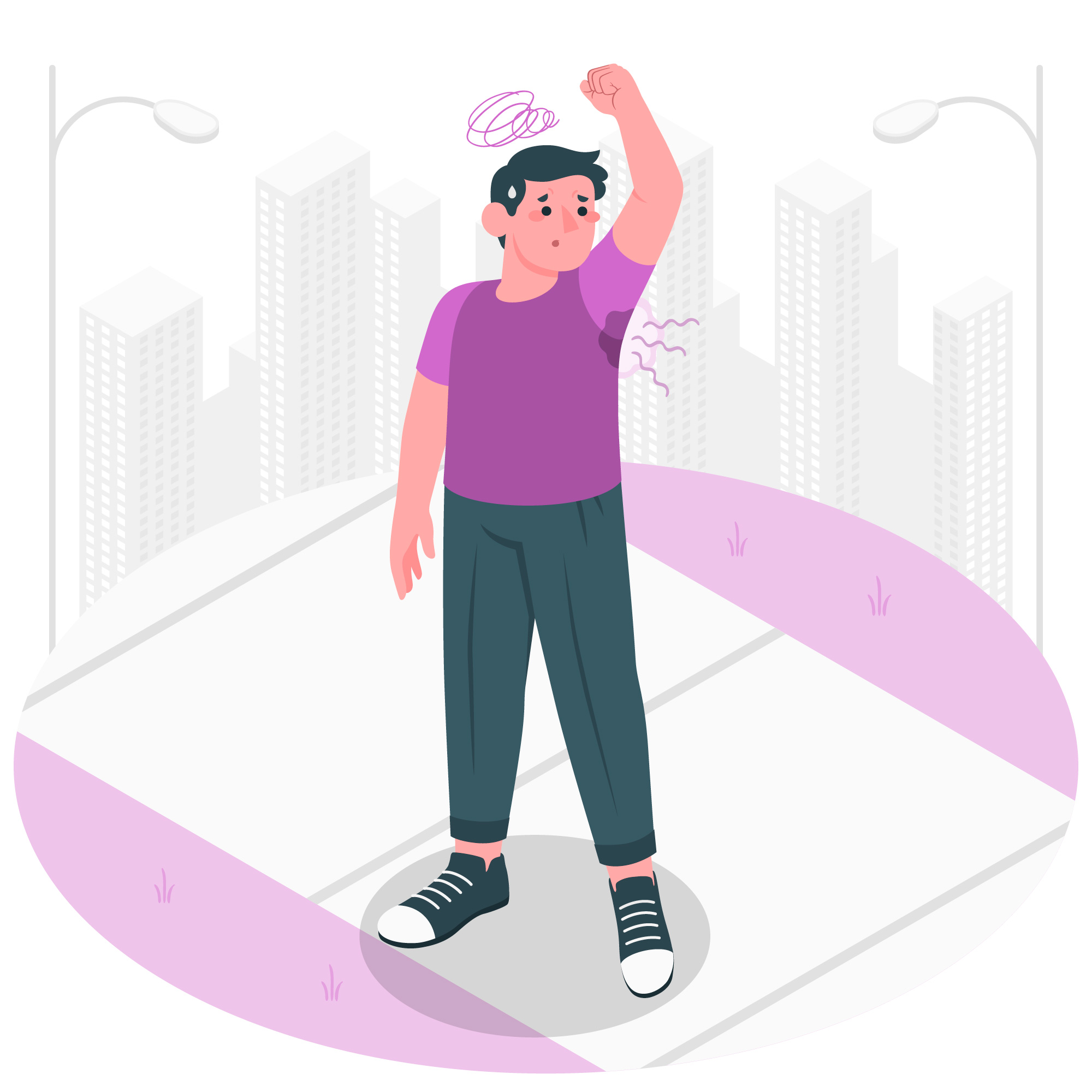
This article explores why uncertainty can be so unsettling, common ways it manifests in our lives, and strategies for navigating the unknown with more confidence and calm. By the end, you’ll have a clearer understanding of why we react to uncertainty the way we do and some practical techniques to help you not only survive uncertain times—but also grow through them.
When people talk about work-life balance, it’s often seen as a luxury rather than a necessity. But there’s a growing body of research—and a wealth of real-world experiences—that proves its importance. Work-life balance isn’t just about reducing stress; it’s also key to long-term success, creativity, and maintaining relationships that enrich your life.
A Constant Companion:
It might be tempting to view uncertainty as a temporary hurdle—something to eliminate. In reality, uncertainty is always present in one form or another. From career trajectories to health concerns to the state of the world, there are countless factors outside our direct control. This can feel daunting, yet it also means we all share this experience of not knowing what tomorrow holds.
The Human Desire for Predictability:
We’re wired to seek patterns. Our brains naturally strive to predict what will happen next because it helped our ancestors survive. If you knew where predators lurked or which berries were safe to eat, you had a better chance of staying alive. Today’s world is far more complex, but our nervous system remains attuned to stability and routine. When life tosses us curveballs—such as an abrupt job loss or an unexpected shift in social norms—our bodies and minds can respond with stress and anxiety.
When Uncertainty Becomes Overwhelming:
A certain degree of uncertainty can be stimulating or even exciting. Think of the adrenaline rush before a first date or traveling to an unfamiliar place—these experiences can be positive, sparking curiosity. However, uncertainty becomes problematic when it’s so pervasive or intense that it disrupts our ability to function or enjoy life. If you find yourself constantly on edge, losing sleep, or struggling to focus, it may be a sign that uncertainty has taken too strong a hold.
Anxiety and Stress:
Uncertainty often breeds anxiety. This anxiety can manifest physically—racing heart, tense muscles, difficulty sleeping—or mentally, as an ongoing sense of dread. Chronic stress from uncertainty can wear down your immune system, reduce your ability to concentrate, and put you in a perpetual fight-or-flight mode. Over time, this undermines both your mental and physical health.
Overthinking and Rumination:
When faced with unclear circumstances, some people try to think their way to a solution, going over every possible outcome in their minds. While analyzing a problem can be useful, excessive rumination creates more stress. The mental chatter can become an echo chamber of worst-case scenarios, heightening feelings of helplessness.
Decision Paralysis:
Fear of making the “wrong” choice can lead to decision paralysis, where you put off making any decision at all. In uncertain times, we can become so afraid of negative consequences that we wait indefinitely for clarity. Paradoxically, this inaction often creates new problems or compounds existing ones.
Emotional Roller Coaster:
Uncertainty can trigger abrupt mood swings—one day you might feel hopeful, the next deeply worried. This unpredictability in your emotional state can be draining, making it tough to plan ahead or maintain consistent relationships. It can also fuel feelings of isolation if you believe you’re the only one having such drastic emotional shifts.
1. Career and Finances:
Changes in job status, salary, or work environment can create significant worry. Whether you’re switching roles or facing layoffs, the unknowns in your professional life can feel monumental.
2. Health Concerns:
Medical diagnoses, injuries, or waiting for test results can all trigger intense uncertainty. Even a routine check-up might bring up fears of discovering something serious.
3. Relationships:
From romantic entanglements to friendships, relationships involve other people’s emotions and decisions—factors you can’t always control. Uncertainty about where you stand with someone or whether a connection will last can be profoundly unsettling.
4. Global Events:
Economic swings, political changes, pandemics, or natural disasters all affect our sense of stability. Watching the news can sometimes feel like a constant barrage of things to worry about—many of which lie outside our personal sphere of control.
5. Personal Goals and Identity:
You might be uncertain about your purpose, passions, or long-term aims. Not knowing your “calling” or whether you’re on the right path in life can lead to internal pressure and confusion.
1. Embrace the “Both/And” Mindset:
One common reaction to uncertainty is all-or-nothing thinking. We imagine that we’re either doomed to failure or guaranteed success. In reality, most situations contain a bit of both: potential challenges and opportunities. Embracing the nuance can reduce the mental pressure to predict precisely how things will unfold. You accept that multiple outcomes are possible, and you’ll handle them as they come.
2. Practice Mindfulness:
Uncertainty primarily fuels worries about what might happen. Mindfulness teaches you to focus on the present moment. Activities like deep breathing, guided meditation, or simply noticing sounds and sensations in your immediate environment can bring you back from the realm of “what ifs?” to the tangible here and now. Even short, five-minute mindfulness breaks throughout the day can help anchor your mind.
3. Control What You Can:
Though you can’t control everything, you’re not helpless. Ask yourself: “What aspects of this situation are within my influence?” That might include setting a budget if finances are tight, researching new career opportunities, or seeking expert advice. Taking small, concrete steps reclaims a sense of agency, reminding you that you do have some power amidst the unknown.
4. Acknowledge Worst-Case Scenarios:
It might feel counterintuitive, but sometimes facing your worst fears can reduce anxiety. Write down the absolute worst outcome you’re imagining. Then, detail how you’d cope if it actually happened. Often, this exercise reveals that while the scenario would be difficult, there are ways to survive and adapt. By bringing it into the light, you strip it of some of its power.
5. Seek Support:
Talk to friends, family, or a professional counselor about your worries. Bottling up your fears can make them loom larger. Sharing them out loud helps you realize you’re not alone, and you can benefit from perspectives or solutions you hadn’t considered.
6. Limit Information Overload:
In uncertain times, it’s tempting to continuously scroll for the latest update. While staying informed is good, too much information—especially from anxiety-inducing sources—can amplify stress. Set boundaries, like checking the news only once or twice a day, and curate trustworthy, reputable sources.
7. Develop Healthy Routines:
Regular exercise, balanced meals, and sufficient sleep form a stable foundation for your mental well-being. Consistency in these areas provides a sense of structure, which can help counteract the chaos of uncertainty. Even if your workout or bedtime routine is far from perfect, small efforts in these areas contribute significantly to overall resilience.
1. Journaling:
Putting your thoughts into words can bring clarity. It’s also a way to spot recurring themes: Are you consistently worrying about something you can’t change? Are there patterns in your mood swings? Journaling provides a tangible record of your emotional journey, helping you identify triggers and track progress over time.
2. Self-Compassion Techniques:
When uncertainty strikes, we’re often hardest on ourselves. Practice speaking to yourself the way you’d speak to a close friend. If a friend confided they were anxious about a job situation, you’d likely respond with warmth, encouragement, and understanding. Try that same gentle approach in your internal dialogue.
3. Visualization and Positive Imagery:
Guided imagery—where you imagine a calm, safe environment or a successful resolution to a challenge—can reduce stress levels. These mental rehearsals can help shift your mind away from catastrophizing and more toward hope and possibility.
4. Gratitude Exercises:
Even in uncertain circumstances, there are usually some constants or small joys you can appreciate—like a supportive friendship, a morning cup of coffee, or a beautiful sunset. Taking a moment each day to note what you’re grateful for can counterbalance the mental weight of uncertainties, reminding you that not everything is in flux.
While anxiety and dread are common reactions, uncertainty can also bring unexpected gifts.
1. Innovation and Growth:
When familiar paths are blocked or an old routine is disrupted, you might discover new approaches. Uncertainty can force you to think outside the box, leading to creative solutions you wouldn’t have otherwise considered. Businesses, for example, often innovate most effectively during challenging economic climates.
2. Resilience Building:
Each time you navigate uncertainty successfully, you build an internal reserve of strength. You prove to yourself that you can adapt, survive, and even thrive in less-than-ideal circumstances. Over time, this resilience spills into other areas of life, making you more confident in facing whatever challenges come your way.
3. Learning to Let Go:
A silver lining of embracing the unknown is that it teaches us to release control. By admitting we cannot foresee or micromanage every outcome, we free up mental energy for what truly matters—our core values, relationships, and personal growth. Letting go can be liberating and relieve a great deal of self-imposed pressure.
4. Deeper Self-Awareness:
Uncertainty often reveals our true priorities. When the luxury of certainty disappears, we’re left to confront what really matters to us. This insight can lead to significant life shifts, such as pursuing a more meaningful career or re-evaluating certain relationships.
Adjusting Expectations
One of the most empowering shifts you can make is adjusting your expectations of what is “normal” or “safe.” Recognizing that life will always hold surprises and that you can adapt to them can reduce the shock when unexpected events arise. This doesn’t mean living in a constant state of worry; rather, it’s an openness to reality’s fluid nature.
Setting Small Goals
If grand plans feel too overwhelming, start small. Instead of trying to map out your entire future, focus on the next step—like applying for one job or scheduling one meeting. These small, achievable goals build momentum and can help you regain a sense of direction when things feel unsteady.
Reassessing and Realigning
Periodic self-reflection is vital. Take time to ask yourself: What’s working? What isn’t? Do I need to shift my priorities or habits to better handle the current uncertainty? This process may lead you to discover new passions, exit stale routines, or try healthier coping mechanisms you hadn’t considered before.
Faith and Hope
Whether you interpret faith and hope in spiritual, philosophical, or purely personal terms, these concepts can anchor you during tumultuous times. Believing in something beyond the present chaos—like a larger purpose, a supportive community, or your capacity for resilience—can be a powerful motivator and source of solace.
Uncertainty is woven into the fabric of our lives. We can’t eradicate it, but we can learn to live with it in healthier, more constructive ways. From developing mindful practices to tackling problems we can control, there are steps we can take to soften the impact of life’s unknowns. Equally important is recognizing that uncertainty can spur personal and professional growth, pushing us to innovate, build resilience, and focus on what truly matters.
Dealing with the unknown may always feel a bit daunting, but it doesn’t have to paralyze us. With self-awareness, practical strategies, and a willingness to reach out for support, we can approach uncertainty with curiosity rather than dread. In doing so, we discover that while the future may be unpredictable, our ability to adapt, persevere, and find meaning remains firmly within our grasp. By embracing the reality of change, we open ourselves to life’s ebb and flow, learning that uncertainty can be both a challenge and an opportunity for transformation.
© Stressdefeaters.com 2026 Privacy Policy | Terms of Service