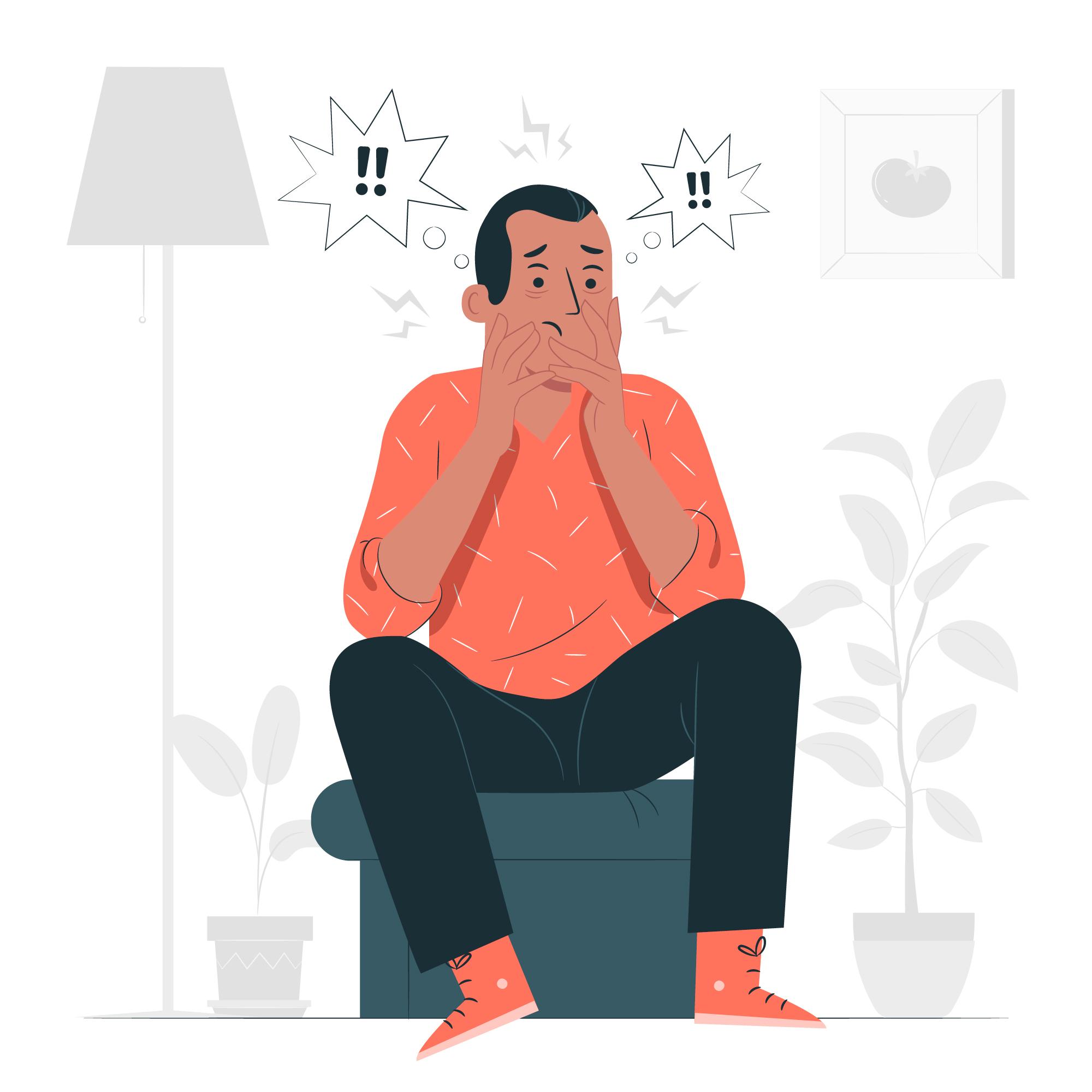
Fear is a universal emotion, one that doesn’t discriminate based on who we are or where we come from. At its core, fear is a survival mechanism, an instinct that has historically kept us safe from threats. In the modern world, however, we often find ourselves grappling with fears that aren’t necessarily linked to immediate physical dangers—like fear of failure, fear of rejection, or fear of the unknown. These fears can hold us back from pursuing our dreams, forming meaningful connections, or simply living life with a sense of freedom and authenticity.
It’s important to note that fear in and of itself isn’t the enemy. Fear can be a teacher, nudging us to pay attention when something isn’t quite right or when we need to take protective measures. The real challenge arises when fear becomes chronic or overwhelming—when it paralyzes us rather than protects us. In these cases, learning how to overcome fear can open doors to growth, confidence, and new possibilities.
This article aims to demystify fear by exploring its roots, its common triggers, and tangible strategies for moving beyond it. You’ll discover why fear shows up, what it really means in your day-to-day life, and how you can shift your relationship with fear from an adversarial one to a more balanced, supportive stance. Let’s dive in.
From an evolutionary standpoint, fear was crucial for survival. Early humans needed that rush of adrenaline to run from predators or remain vigilant in hostile environments. This fight-or-flight response is embedded in our genetic makeup, governed by the amygdala in our brain. When a perceived threat appears—be it a hungry lion or the mere thought of public embarrassment—your amygdala kicks in, flooding your body with stress hormones like cortisol and adrenaline.
Fight, Flight, or Freeze:
We often talk about fear as triggering either a fight or flight response, but there’s another reaction to consider: the freeze response. Sometimes, fear causes us to become so overwhelmed that we literally can’t act. This might happen, for example, if you’re asked to speak at a large conference and your mind suddenly goes blank. Recognizing these patterns can be a helpful first step in learning to manage fear.
Fear vs. Anxiety:
It’s also worth differentiating between fear and anxiety, though the two emotions are closely related. Fear is typically tied to a specific, immediate threat—you see a stray dog baring its teeth, and your heart races. Anxiety, on the other hand, is more generalized, a lingering worry about what might happen in the future. While both can be debilitating, fear usually has a clear trigger, while anxiety can feel more diffuse and harder to pinpoint.
Protective Instincts
The simplest reason we experience fear is protection. When you sense danger, your body signals you to pay attention and take action to preserve your well-being. This mechanism served us very well in earlier times and continues to be useful in certain life-or-death situations.
Conditioning and Learned Behavior
Not all fears are innate; many are learned. For example, if you grew up in an environment where your parents were extremely cautious about finances, you might develop a fear of taking any financial risks, even if a carefully considered investment could benefit you. Social conditioning, past traumas, and cultural norms all shape how we respond to different triggers.
Fear of the Unknown
One of the most pervasive fears is simply not knowing what lies ahead. Whether it’s starting a new job or moving to a different city, uncertainty can leave us feeling anxious and hesitant. Humans are wired to prefer predictability—we want to plan, to control, and to feel secure. When the future is hazy, our instinct is often to halt in our tracks until we find clarity, which sometimes never fully arrives.
Fear of Failure and Fear of Success
Interestingly, fear can arise from both ends of the spectrum. Fear of failure is more commonly discussed—you worry about looking foolish, losing money, or disappointing others. But fear of success can be just as potent. People sometimes self-sabotage because they’re afraid of the changes success might bring, such as increased expectations or jealousy from peers.
Fear shows up in countless forms, but some themes crop up again and again:
1. Fear of Rejection
This can manifest in personal relationships or professional pursuits. You might avoid asking someone out or speaking up at work to sidestep the pain of being turned down.
2. Fear of Failure
A classic scenario: you don’t apply for your dream job because you’re convinced you’ll never get it. This fear often stems from perfectionism or low self-esteem.
3. Fear of Change
Whether it’s relocating to a new city or switching careers, change is daunting because it upends the familiar. This fear can keep you stuck in less-than-ideal circumstances just because they’re known.
4. Fear of Public Speaking
This is so common that it’s joked about as being more frightening than death for some. The prospect of standing on a stage, all eyes on you, can trigger intense anxiety.
5. Fear of the Unknown
Sometimes you can’t pinpoint a specific event or outcome that scares you—it’s the nebulous idea that “something bad might happen,” keeping you in a state of worry and inaction.
Restricted Opportunities
The most immediate consequence of chronic fear is that it can limit your life options. Rather than stepping out of your comfort zone, you play it safe, missing out on personal and professional opportunities that could spur significant growth or happiness.
Emotional Toll
Fear often overlaps with other emotions—like anxiety, guilt, or shame—creating a heavy emotional burden. Over time, this can lead to issues such as insomnia, chronic stress, or even depression. Living with constant fear is draining, making it difficult to focus or find joy in daily activities.
Impact on Relationships
Fear can also create strain in relationships. If you’re too afraid to express your feelings, unresolved tensions can accumulate. Or perhaps a fear of intimacy keeps you from forming deep connections. In either case, fear becomes a barrier to healthy, fulfilling bonds with others.
Physical Health Consequences
When fear becomes a chronic presence, the elevated stress hormones circulating through your body can contribute to health problems—ranging from high blood pressure to a weakened immune system. Fear isn’t just “in your head”—it has tangible effects throughout your body.
Seeing Fear as Information
One of the most powerful mindset shifts you can adopt is to see fear not as a blockade, but as data. Fear often highlights areas that need your attention. For instance, if you’re terrified of networking events, ask yourself why. Is it because you’re uncomfortable making small talk, or you doubt your professional expertise? By reframing fear as a signpost, you can start to see it as helpful feedback rather than an insurmountable barrier.
Healthy Fear vs. Unhealthy Fear
Recognizing healthy fear can keep you safe—like the fear that stops you from texting while driving. Unhealthy fear, however, is fear that holds you back from pursuing meaningful goals or sabotages your mental well-being. Sorting which fears are rational from those that are irrational can help you decide which ones to listen to and which ones to challenge.
1. Acknowledge and Name Your Fear
One of the biggest mistakes people make is trying to squash or ignore fear. Suppressing fear can intensify it, allowing it to fester in your subconscious. Instead, bring it into the open by naming it: “I’m scared of failing at this new project,” or “I’m anxious about confronting my boss.” Labeling your fear helps you see it as a distinct entity rather than an all-encompassing emotion.
2. Break the Fear Down
Fear often feels massive because we look at it as a single, daunting whole. Break it down into smaller components. For example, if you’re scared of changing careers, list the specific aspects that worry you: finances, loss of a stable routine, learning new skills, etc. Tackling each piece step by step can make the overall fear more manageable.
3. Create an Action Plan
Once you’ve identified specific elements of your fear, develop a plan. Suppose finances are your biggest worry about switching careers. You could start by building a financial cushion, perhaps by setting aside a certain amount each month. Each item on your plan becomes an action that edges you closer to your goal and away from the grip of fear.
4. Use Gradual Exposure
In psychology, exposure therapy is a common technique to help people overcome phobias. It involves gradually facing the feared object or scenario in a controlled manner. You can apply a version of this to everyday fears. If public speaking terrifies you, start small—maybe by practicing in front of a mirror or presenting to a few friends. Over time, increase the size of your audience.
5. Challenge Negative Thoughts
Fear often amplifies negative self-talk. You might find yourself thinking, “I’ll never succeed,” or “I’ll make a fool of myself.” Write down these thoughts and ask: “Is there concrete evidence to support this?” More often than not, the fears are exaggerated. Counter them with logical, positive statements, like reminding yourself of times you overcame obstacles or learned a new skill.
6. Practice Mindfulness and Relaxation
When fear spirals into anxiety, grounding techniques can help. Deep breathing, progressive muscle relaxation, or short mindfulness exercises can bring you back to the present moment, where you’re usually safer than your mind is telling you. These techniques also help regulate your physiological response, lowering heart rate and easing tension.
7. Seek Support
Overcoming fear doesn’t have to be a solo endeavor. Family, friends, mentors, or a therapist can provide guidance and accountability. Even joining support groups or online communities focused on personal development can remind you that you’re not alone in facing these challenges. Sometimes, just hearing that others share your fears can reduce the burden.
8. Celebrate Small Wins
If you’re committed to conquering your fear of heights, and you manage to climb one extra flight of stairs without panicking, celebrate that. These small milestones build momentum. Overcoming fear is a gradual process, and acknowledging incremental victories boosts confidence and motivation.
Embrace Curiosity
Curiosity is a powerful antidote to fear. Rather than approaching new experiences with dread, try to ask questions and stay open. “What can I learn from this?” or “How might this situation help me grow?” Shifting from a fear-driven mindset to a curious, exploratory one can reduce stress and spark excitement.
Cultivate Self-Compassion
It’s easy to be hard on yourself for feeling afraid, but everyone struggles with fear at times. Treat yourself with the same kindness you’d offer a friend who was anxious. Remind yourself that courage isn’t the absence of fear; it’s choosing to move forward despite feeling scared.
Visualize Success
Visualization isn’t just positive thinking—it’s a tool elite athletes and top performers often use. Spend a few minutes each day picturing yourself succeeding in the scenario you fear. Imagine how you’d feel, what you’d do, and the sense of accomplishment afterward. This exercise rewires your brain to see positive possibilities, diminishing the grip of fear over time.
Adopt a Growth Mindset
A growth mindset, popularized by psychologist Carol Dweck, suggests that we can learn, adapt, and improve with effort. If you view challenges and failures as chances to grow rather than reflections of your inherent ability, fear loses some of its power. Every obstacle becomes an opportunity to evolve, making the fear of failing less intimidating.
Fear is as old as humanity itself, an ancient mechanism that helped us survive against predators and natural disasters. Today, though we face fewer saber-toothed tigers, our fears can still loom large—blocking us from personal development, happiness, and deep connection. Overcoming fear isn’t about completely eradicating it. Instead, it involves understanding its origin, acknowledging its role, and then learning how to move forward in spite of it.
By reframing fear as a signal or an ally that highlights areas needing our attention, we can use it to drive growth. Breaking fear into smaller, manageable parts, challenging negative thoughts, and seeking support can all contribute to our sense of agency. Gradual exposure, mindfulness practices, and celebrating incremental wins foster self-confidence, easing fear’s hold on our daily lives. Above all, it’s about adopting a balanced perspective: fear can be respected and addressed, but it doesn’t have to run the show.
When we choose courage over comfort, curiosity over dread, we open ourselves up to a more expansive life. Overcoming fear allows us not only to sidestep limitations but to discover new capabilities, passions, and connections we might never have imagined. In pushing past our fears—even just a little—we learn that we’re capable of far more than we initially believed. And in that realization lies true freedom.
© Stressdefeaters.com 2026 Privacy Policy | Terms of Service